






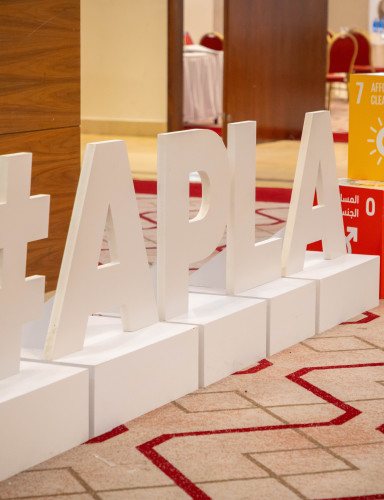

APLA Strategic Plan 2023 - 2027
Throughout history, Palestinian LGUs have demonstrated that they are part and parcel of the Palestinian national fabric, played a pivotal role in building Palestinian statehood, and translated the national project into reality. To fulfil and deliver social, development, and organisational responsibilities and services, LGUs adopt policies that respond to the various needs of Palestinian citizens and promote their resilience on their land. Strengthened roles and powers will keep LGUs highly prepared, ensure sustainable basic service delivery to Palestinian communities, and inspire potential change and capability of achieving development and leading bottom-up change.
The institutional structure that supports LGUs mainly involves the Ministry of Local Government (MoLG) and MoLG directorate district offices, including 11 in the West Bank and five in the Gaza Strip, APLA, and Municipal Development and Lending Fund (MDLF).
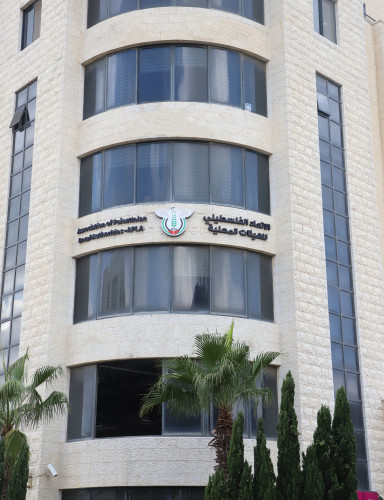
Strengthening the powers of, and defending, LGUs was one of the major reasons for establishing APLA in 1997. As a national institution encompasses all Palestinian LGUs, represents the collective interests of LGUs, provides lobbying and advocacy in support of LGU capacities, and facilitates the exchange of information and best practices among LGUs. APLA further operates as a channel of dialogue between the central government and LGUs across Palestine, contributing to the establishment of more responsive, accountable, and transparent LGUs, which put the interests and needs of citizens above all else.
APLA’s management reflects this commitment in strategic planning, as an effective tool to achieve desired objectives. The previous strategic planning cycle provided an opportunity to promote APLA’s institutional and operational capacities through institutionalizing its services, procedures and regulations, building a network of relationships with local and international institutions, and implementing many programmes and projects for the benefit of LGUs. In order to promote loyalty, commitment and support of APLA members, which was culminated by the completion of APLA’s internal elections in early 2023.
The APLA management has managed to re-establish APLA as a key player on the map of Palestinian local government sector. More than 95 percent of interventions included in the APLA Strategic Plan 2019-2022 were implemented. Sometimes, APLA moved even beyond planned activities and interventions. The progress made by the APLA has yielded positive results at all levels, boosting confidence of LGUs and donors in the Association. As a result, many programmes and projects were financed and additional resources were mobilized, enabling APLA to develop a new strategic plan for the next cycle. The Strategic Plan 2023-2027 builds on foregoing achievements, optimizes outputs, and contributes to the image of APLA as a main actor in the Palestinian local government sector, incubator and destination of LGUs, and a representative of LGUs as well as of priorities and issues of the Palestinian people at various international forums.
To develop this document, APLA has been informed by the decree on its establishment, APLA Bylaws, achievements made during the previous strategic planning cycle, and expected opportunities and challenges. APLA has further held extensive consultations with relevant bodies both internally and externally. Eventually, APLA has compiled the strategic framework 2023-2027, plan of action, and logical framework of priority programmes to achieve its strategic objectives in line with the local government sector goals as well as national and global agendas.