
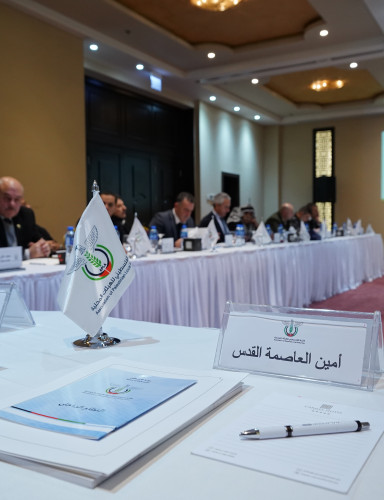

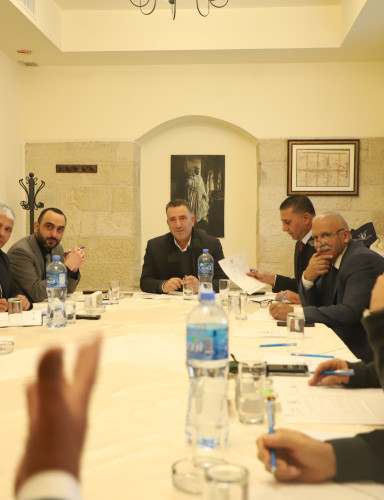





As part of its ongoing efforts to strengthen its international presence, represent Palestinian LGUs on the global stage, and foster knowledge exchange with cities and international institutions, The Association of Palestinian Local Authorities (APLA) participated in a series of sessions and events during the Thirteenth World Urban Forum (WUF13), held in Baku, Azerbaijan. The forum brought together a wide range of representatives from governments, international organizations, and experts in housing, urban planning, international partnerships, and sustainable development.
The participation aimed to highlight the Palestinian experience in local governance, convey the realities and challenges faced by Palestinian cities—particularly under ongoing crises and imposed restrictions—and showcase the efforts of LGUs in promoting resilience, ensuring service continuity, advancing sustainable development, and strengthening decentralized cooperation among cities.
Eng. Abdallah Anati, Executive Director of APLA, took part in the main gathering of local and regional governments, where he outlined how Palestinian municipalities continue to fulfill their responsibilities despite immense challenges. He highlighted the realities in the West Bank, where LGUs operate under the pressures of settlement expansion, the separation wall, movement restrictions, and discriminatory expansion policies that continue to consume Palestinian land. He also described the even more devastating situation in Gaza, where municipalities have been bombarded, infrastructure has been destroyed, essential services have collapsed, and residents endure unprecedented isolation and siege. Anati called for the recognition of local governance in conflict-affected areas as a top priority within the urban agenda and urged that discussions on housing justice be translated into concrete international protection mechanisms.
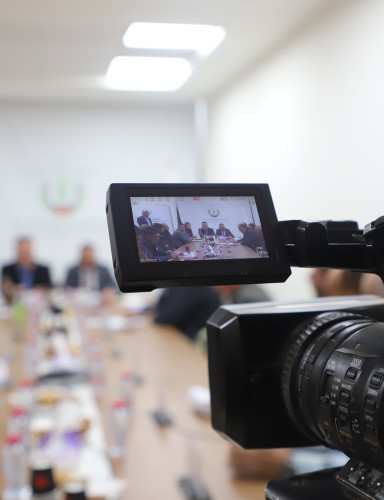
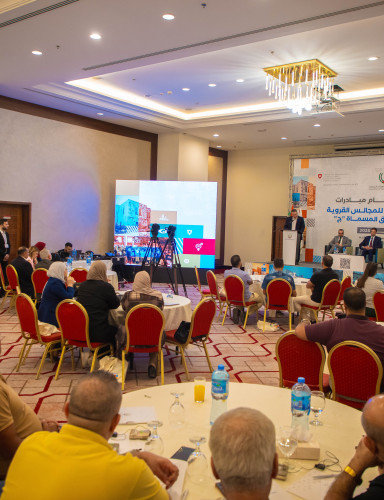
Reflecting the importance of strengthening local, regional, and international partnerships and expanding avenues for cooperation among LGUs, Anati presented the APLA’s experience in building networks and partnerships between Palestinian municipalities and international counterparts during a session entitled “When Housing Brings Cities Together: Local Cooperation in Practice” The session was organized by APLA in partnership with the Marmara Municipalities Union, UCLG-MEWA, and ENABEL. Discussions focused on the importance of decentralized cooperation among cities and LGUs in addressing housing and urban development challenges, particularly in conflict-affected areas.
Anati also presented the realities facing displaced populations in both the West Bank and Gaza Strip, highlighting housing, infrastructure, and municipal service needs, as well as the efforts of LGUs to address challenges resulting from Israeli occupation measures. He further outlined planning and implementation mechanisms for emergency relief interventions, while emphasizing the importance of placing refugee and displacement issues among global priorities and agendas. These contributions were made during the session “Addressing Internal Displacement in Devastated Cities – Should Housing and Service Provision Take Centre Stage”.
In line with APLA’s commitment to capacity building and the promotion of knowledge exchange among LGUs, Mr. Abdul Karim Al-Zubaidi, President of APLA, presented APLA’s experience in developing knowledge-sharing platforms and implementing training programs for LGUs staff. These initiatives aim to equip personnel with the skills and expertise needed to address service-related, political, economic, and social challenges. His intervention took place during the session “Bridging the Urban Leadership Gap- The Arab Mayors Academy as a Platform for Knowledge Sharing, Capacity Building, and Impact”.
In other contributions, Eng. Ohoud Enaya, Director of Programs and Policies at APLA, moderated the session “From Rubble to Resilience- Housing as the Backbone of Urban Recovery in Protracted Crises”, which explored the challenges faced by conflict-affected cities, particularly in Gaza and Syria, including housing loss, service continuity, and the importance of planning for recovery and reconstruction.
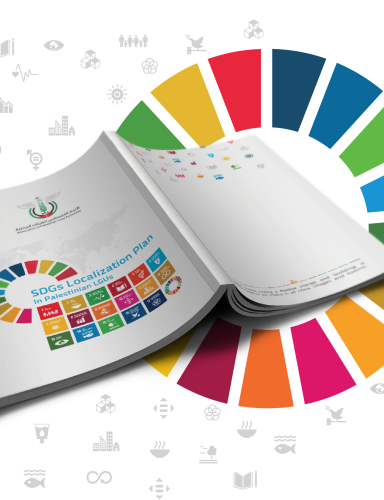
As part of APLA’s efforts to localize the Sustainable Development Goals (SDGs) within Palestinian LGUs and strengthen related concepts and practices, Dr. Ahmad Jaber, SDGs Projects Officer at APLA, presented APLA’s initiatives to transfer knowledge and build the capacities of LGUs staff during the session “From Integrated Planning to Action - Project Platforms as a Tool for Decentralized Cooperation and SDGs Localization”, He also moderated a session on the Bus Rapid Transit (BRT) project in Ramallah and Al-Bireh and presented APLA’s experience in promoting community participation and awareness of the Sustainable Development Goals.
On the sidelines of the forum, APLA signed a cooperation agreement with the Arab Urban Development Institute (AUDI), aimed at strengthening partnership efforts in building the capacities of employees working in LGUs and the local government sector in Palestine, enhancing their competencies, exchanging expertise in sustainable urban development, and supporting municipal work.
The forum also witnessed the participation of the Palestinian Ministry of Local Governments, the Municipal Development and Lending Fund (MDLF), and a number of Palestinian municipalities, including the municipalities of Ramallah, Al-Bireh, and Khan Younis, as well as representatives of various Palestinian institutions. Participants presented their experiences in urban planning, crisis management, local and international cooperation, and ensuring service continuity under exceptional circumstances.


