
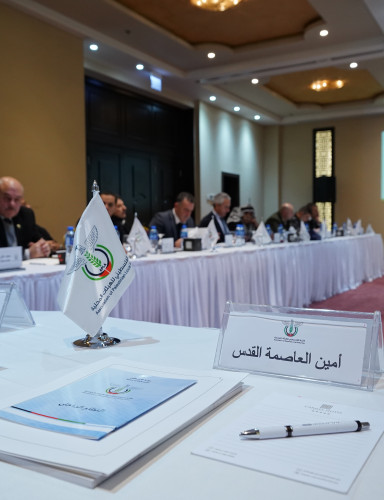

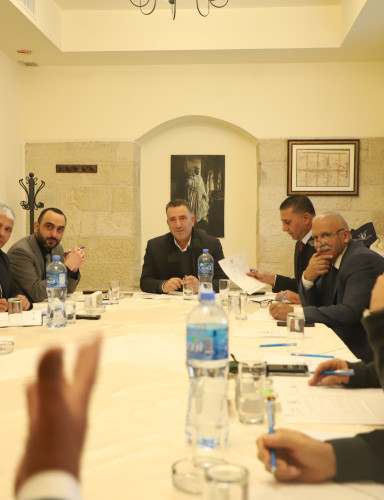






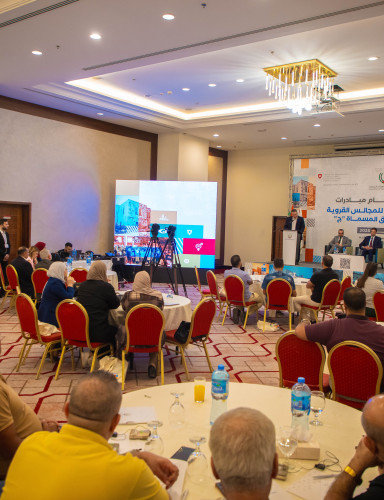


The Association of Palestinian Local Authorities (APLA) held an advanced knowledge session on funding opportunities and networking mechanisms in the field of cultural heritage protection. The session was organized in partnership with the French association “Sites & Cités Remarquables,” with the participation of local governments and representatives from engineering and cultural departments. It served as a practical space for municipalities to understand the global tools available to support heritage-related interventions and to access more sustainable funding opportunities.
During the session, Gala Alesca from the ALIPH Foundation delivered an in-depth presentation on ALIPH’s global mandate and intervention mechanisms, including preventive measures, emergency response, and reconstruction or restoration support. Participants were also introduced to the scope of ALIPH’s work in Palestine since 2020, which has included monument restoration, site protection, and safeguarding cultural collections, in addition to the special plan adopted by the foundation to protect heritage affected by the war on Gaza. The presentation outlined concrete entry points for municipalities seeking to develop emergency or long-term heritage projects.
Mohammad Abu Hammad from the UNESCO Ramallah Office presented a comprehensive overview of programs available to local governments, particularly the International Fund for Cultural Diversity, which supports creative industries and cultural initiatives in developing countries. His presentation detailed application criteria, the expected timeline for the upcoming cycle, and the roles local governments can play in this field. He also discussed the UNESCO Urban Heritage Platforms, including the Creative Cities Network and the World Heritage Cities Program, highlighting their potential to elevate the international standing of Palestinian municipalities and open new avenues for cooperation and partnership.
The discussion reflected a clear need for greater coordination—especially in accessing information, developing governorate-level heritage plans, and strengthening APLA’s role in representing local governments within international project submissions. The session marked a practical step toward building a shared understanding of how to design more competitive and well-prepared heritage projects capable of securing global funding.