
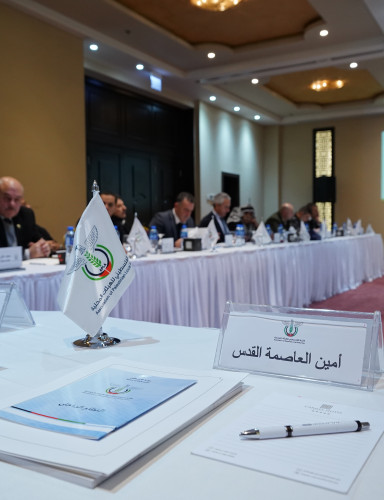
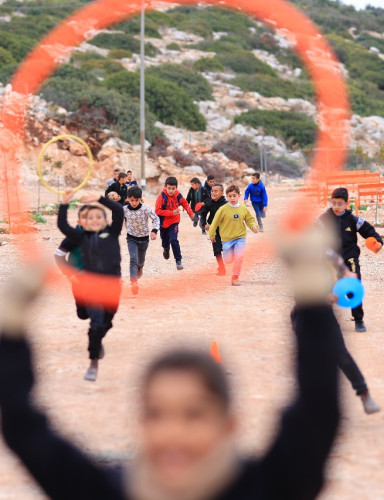
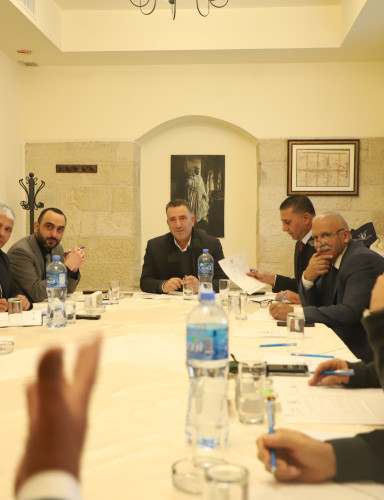


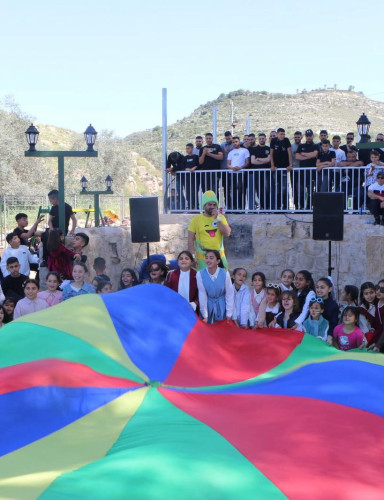
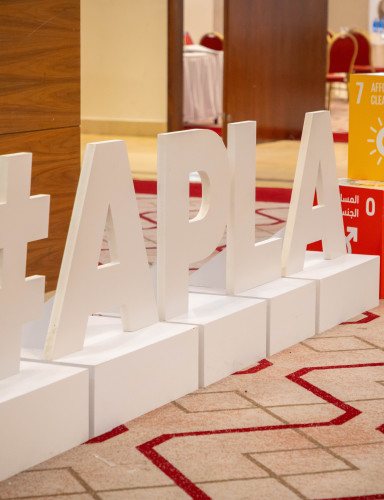


The Association of Palestinian Local Authorities (APLA) held a closing ceremony for the Sub-grant Initiatives funded by the European Union and Swiss Agency for Development and Cooperation (SDC). Involving the implementation of 25 development projects for the benefit of village councils in the so-called Area C, initiatives included the rehabilitation of public squares, restoration of springs and historic wells, construction of parks and recreational spaces, and promotion of cultural heritage, provision of new employment opportunities, and enhancement of local revenues. These projects reinforced the role of village councils as institutions that drive development and provide the means for resilience in one of the most challenged areas in Palestine.
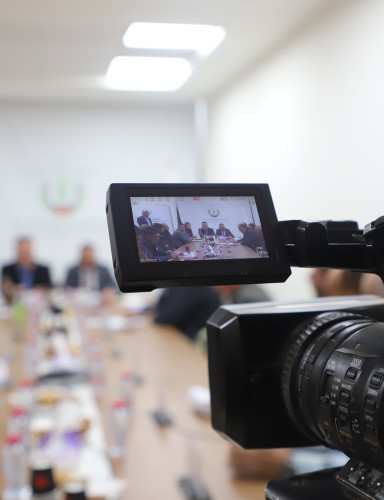
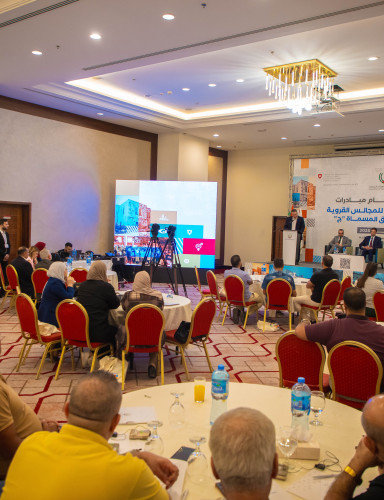
The event brought together a high-level audience, most notably Abdul Karim al-Zubeidi, APLA President, Alexandre Stutzmann, EU Representative, and Philippe Boillat, Head of SDC International Cooperation and Representative the Representative Office of Switzerland. Also present were heads of LGUs, representatives of partner and supporting institutions, and members of APLA executive team.
In his remarks, APLA President Al-Zubeidi confirmed that the implemented initiatives reflected acts of life in besieged environments and served as political and community tools to safeguard Palestinian existence. He stressed that local government has taken the center stage in the daily confrontation with annexation and restriction policies. Al-Zubeidi asserted that development in these villages is no longer a deferred luxury, but rather a condition for survival and a daily message of resilience. He added that these local experiences align with the broader political trajectory of growing international recognition of the State of Palestine, affirming that such recognition is not symbolic anymore. Rather, it is rightful entitlement that requires the protection of state institutions, first and foremost LGUs that serve as the frontline defenders of citizens’ lives and rights.
EU Representative Stutzmann underlined that EU support for these initiatives was not merely a technical or financial contribution, but a clear political stance that reflected a firm commitment to Palestinian rights. Stutzmann highlighted that LGUs formed the backbone of daily life for citizens. Empowering LGUs is the first line of defense for justice, dignity, and the right to development. He further noted that the EU decision to invest in the so-called Area C, which is an integral part of Palestinian territory, carried unquestionable political significance. According to Stutzmann, this strategic partnership will continue with strength despite the conclusion of this phase of initiatives.
SDC Representative Boillat affirmed that working with municipalities and local communities was not a temporary service but a historic responsibility that required long-term commitment. As noted by Boillat, since 2009, Switzerland has made the support of local government and decentralization approach in Palestine a cornerstone of its development policy. He emphasized that empowering municipalities and village councils was key to building fairer and more just communities. Having reviewed the outcomes of the 25 implemented initiatives, Boillat renewed his country’s commitment to continue to support local services and ensure they are accessible by all citizens. He stressed that support reflected genuine confidence in the ability of Palestinian LGUs to protect and serve respective communities.
Abdallah Anati, APLA Executive Director, presented a strategic overview based on a broader APLA’s multi-annual action plan. Anati highlighted how the Sub-grant Initiatives were part of a comprehensive vision to enhance the capacities of village councils and expand spaces for resilience in the so-called Area C. He underscored that this process was not isolated from other APLA interventions. It also aligned with training programs, technical support, and national policies led by APLA in collaboration with international partners. Anati explained that the integration of direct developmental efforts, such as rehabilitating public spaces and developing historic springs, and long-term institutional development made experience both a political and a developmental tool, restoring the role of local government as a key actor in shaping a more equitable and just future for Palestinians.
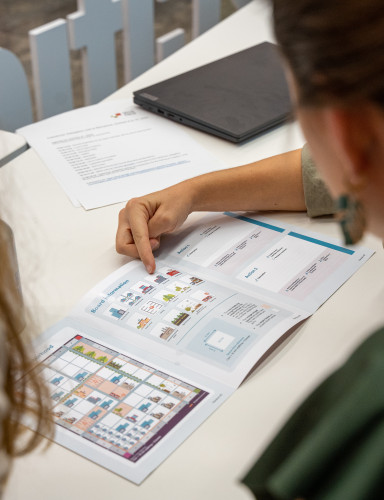
The ceremony concluded with an interactive tour of the project factsheet displays, which served as a dynamic hub for networking and engagement between village councils and international partners. The event furnished a hands-on opportunity to explore the experiences and outcomes that have bolstered the existence of LGUs at the heart of the so-called Area C.
