
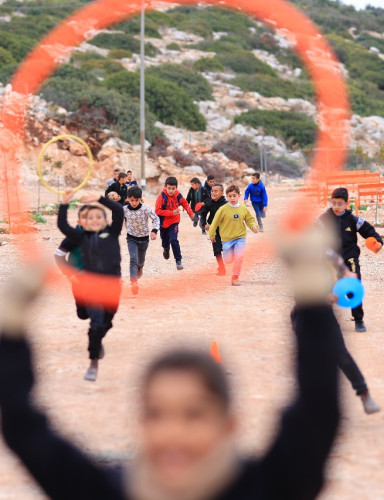







The Association of Palestinian Local Authorities (APLA) has signed agreements for the second phase of subgrants with 15 additional village councils to implement 13 development projects in the so-called Area "C". These projects are funded by the European Union and the Swiss Agency for Development and Cooperation (SDC). This phase includes projects such as establishing solar power stations, rehabilitating and developing public parks and children’s playgrounds, creating youth service facilities near football fields, upgrading public squares, and improving basic services. All projects were selected based on predefined technical criteria.
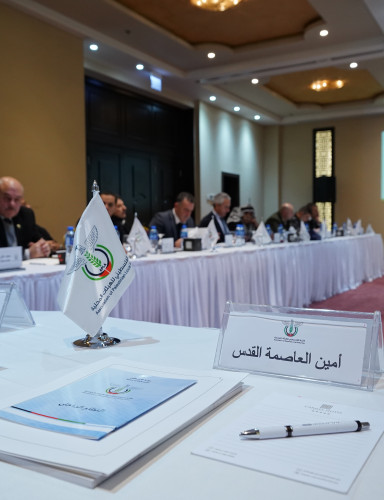
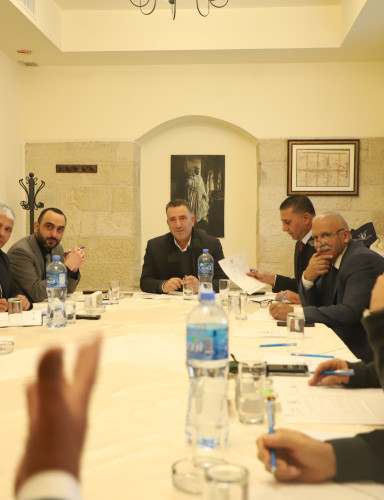
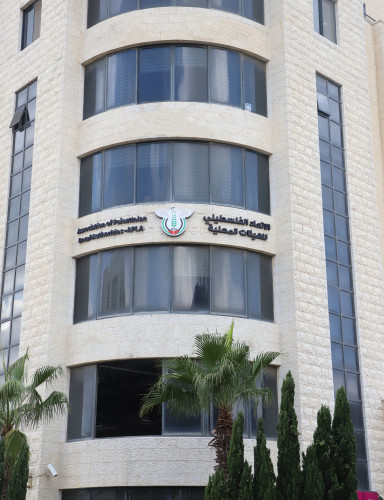
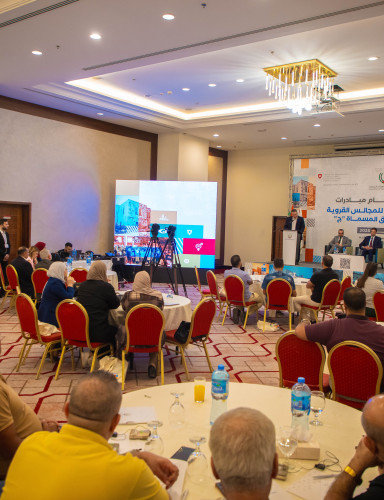
The signing ceremony was held at APLA’s headquarters in Ramallah, attended by APLA President Abdul Karim Al Zubaidi, Executive Director Eng. Abdallah Anati, the EU's Program Manager for Area "C" and Local Governance, SDC representatives, and heads of beneficiary village councils, including Iskaka, Yasuf, Farkha, At-Tuwani, At-Tayba, Al-Mughayyir, Burqa, Beitillu, Jalbun, Husan, Aboud, Al-Funduqiya, Qalandiya, Kafr Sur, and Shibteen.
APLA President Abdul Karim Al Zubaidi emphasized the pivotal role these projects play in advancing local development, describing them as a model of effective collaboration in supporting local governance. He highlighted the success of the first phase, which resulted in tangible positive outcomes, including improved basic services, the creation of local job opportunities, enhanced environmental sustainability, and the development of public spaces serving all community members. Al Zubaidi noted that APLA is building on this success to expand and sustain these efforts, ensuring broader outreach to more local councils. He also announced that APLA would soon launch a new phase at the beginning of the next year, reaffirming its commitment to supporting LGUs and meeting their developmental needs.
Al Zubaidi also highlighted APLA’s active role in supporting national policies related to local governance. He emphasized ongoing efforts with the Palestinian government to strengthen the status of LGUs, empowering them to fully undertake their developmental roles. APLA is currently working on developing policies and interventions aimed at enhancing LGUs’ powers and increasing their financial resources to ensure the stability of municipal work, infrastructure development, and improved community well-being.
The European Union highlighted the importance of these projects as a product of the strong collaboration and partnership between APLA, international partners, and village councils. The EU reaffirmed its commitment to expanding future initiatives that empower village councils and enhance their ability to meet the needs of local communities.
A representative of the Swiss Agency for Development and Cooperation expressed the agency's commitment to supporting development efforts in Area "C." They highlighted the significance of these projects in achieving long-term stability and sustainable development while praising APLA’s leadership in advancing local authorities’ support initiatives. The subgrants initiative, they noted, represents a practical step towards improving living conditions and strengthening the economic and social capacities of targeted communities.
Village council representatives commended APLA’s vital role in supporting local governance priorities and enhancing their capacities to address increasing challenges. They emphasized that these efforts motivate further collaborative projects aimed at improving economic and social conditions in Area "C." They also expressed hope for intensified cooperation with APLA to attract necessary support and launch impactful initiatives that align with the urgent needs and future aspirations of their communities.
It is worth noting that the subgrants initiative is part of APLA's Multi-Year Action Plan, which includes funding for 26 projects across two phases. These grants support all initiatives aimed at developing and empowering local communities through developmental projects in economic, social, environmental, and community development fields. This initiative aligns with APLA's commitment to implementing policies and interventions that correspond with Sustainable Development Goal 11: "Making cities and human communities inclusive, safe, resilient, and sustainable."


