






APLA Holds Dialogue Session to Strengthen Cooperation between LGUs, Academia, and Startups in the Field of Digital Transformation

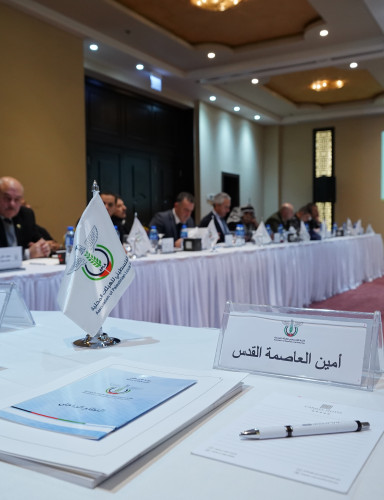
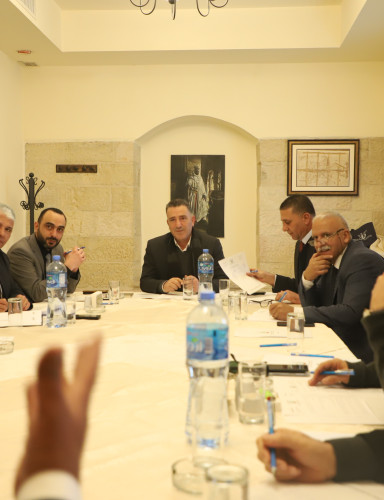
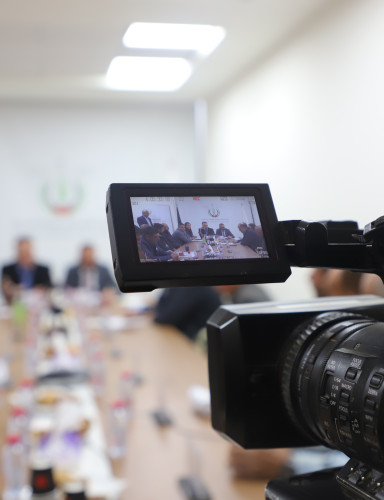
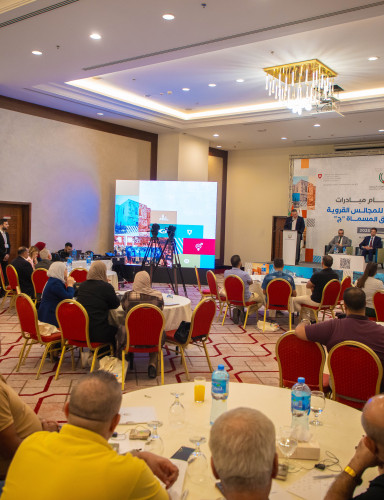
The Association of Palestinian Local Authorities (APLA) held a dialogue session titled “Prospects for Cooperation between Academics, Startups, and LGUs,” bringing together 48 participants from the Innovation and Creativity Platform – Digital Transformation, representing 26 local government units (LGUs), alongside academics from several Palestinian universities. The session aimed to explore opportunities for joint cooperation and leverage academic expertise and innovation to improve municipal services and advance digital transformation across local authorities.
The session featured a distinguished group of academics and specialists, including Dr. Ihab Hijazi, Professor of Geospatial Information Systems at An-Najah National University; Dr. Ayman Sultan, Vice President for Planning and Development at Palestine Polytechnic University; Dr. Safaa Naser Al-Deen, Head of the Computer Engineering Department at Al-Quds University and the University's representative on the National Steering Committee of the INDIGO Project; and Dr. Bilal Al-Muhtaseb, Head of the Public Relations and Communications Department at Hebron Municipality. The session was moderated by Ms. Noor Junaidi, with discussions focusing on prospects for cooperation between LGUs and universities, and opportunities to harness academic and technical expertise to develop digital solutions that respond to local authorities' needs and address the challenges they face.
The session's program opened with remarks by Eng. Ohood Enaia, Director of the Policy and Planning Unit at APLA, who introduced the “Next Generation Local Authorities E-Services Project,” funded by the German Federal Ministry for Economic Cooperation and Development (BMZ), and supported by (GIZ). She outlined APLA's vision for supporting LGUs and improving the quality of their electronic services, as well as the project's upcoming steps. This was followed by a presentation by Ms. Tania Kitab, representing GIZ, on the importance of adopting a human-centered approach to planning and implementation to ensure responsiveness to citizens' needs and enhance the effectiveness of the services provided to them.
The session also featured presentations of two winning projects from the MUNIVERSE Hackathon, including “Taraf Khait” (A Thread), which showcased an electronic application designed to facilitate citizens' access to municipal services and completion of their transactions through 26 e-services. The project demonstrated the role of innovation in developing practical solutions to improve municipal services.
Interactive discussions between representatives of LGUs and universities explored opportunities to leverage academic expertise and capabilities in supporting local authorities, alongside the key challenges facing the development of their digital services. These included challenges related to electronic payments, responding to electronic complaints and requests, digital connectivity with government entities, and disparities in digital transformation levels among local authorities.
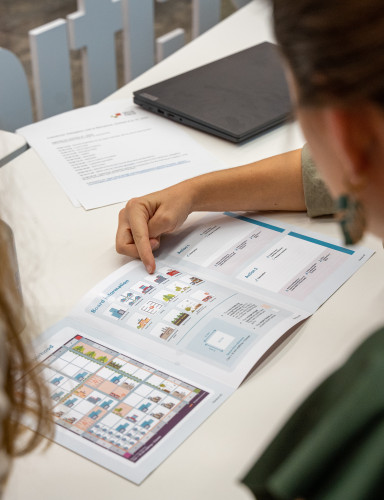
To further strengthen practical partnerships, interactive working groups were organized to explore areas of cooperation between local authorities and universities, identify joint ideas and initiatives, and discuss mechanisms for follow-up. Participants discussed several proposals, most notably the development of a unified digital platform for municipal services, the provision of shared electronic payment mechanisms, and safeguarding local authorities' ownership of developed electronic systems by requiring the handover of source code, enabling them to update and further develop these systems in line with their actual needs.
Another proposal highlighted was the establishment of a collaborative laboratory bringing together representatives of universities, local authorities, and students to identify local authorities' priorities, assess their actual challenges and needs, and develop practical solutions that strengthen the integration of academic knowledge with the requirements of municipal work.
This session forms part of APLA's ongoing efforts to advance digital transformation across Palestinian LGUs and expand partnerships with academic institutions and relevant stakeholders. These efforts aim to leverage innovation and knowledge to improve municipal services, respond to citizens' needs, and enhance the efficiency and sustainability of local governance.


