








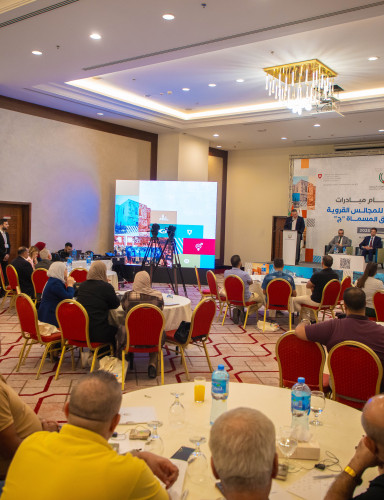


As part of its efforts to support digital transformation and strengthen the capacities of Palestinian Local Government Units (LGUs) to develop inclusive and accessible digital services, the Association of Palestinian Local Authorities (APLA) organized two specialized webinars via Zoom entitled “Inclusive and Accessible Smart Cities” and “Accessibility in Digital Public Procurement”. The webinars were held under the “Next Generation Municipal E-Services Project” project, with the participation of 58 representatives from Palestinian LGUs.
Eng. Hamed Al-Boudairi, Projects Coordinator at APLA’s Programs and Policies Unit, highlighted the importance of the project in supporting LGUs’ digital transformation efforts and strengthening their capacities through the specialized training sessions and webinars organized by APLA.
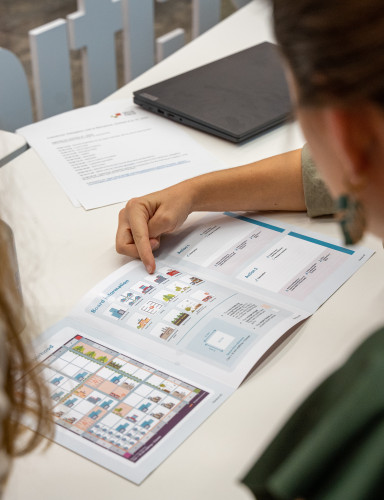
The first webinar, delivered by Dr. Victor Pineda, President of World Enabled, explored the concept of inclusive and accessible smart cities. He presented four tools designed to support LGUs in developing more inclusive cities, available in several languages, including Arabic. The session also focused on the importance of integrating persons with disabilities into all stages of digital service design, development, and implementation. It further addressed the key barriers they face and the mechanisms for assessing compliance with universal design and accessibility principles.
The second webinar featured Ms. Monica Duhem, Global Advisory Centre Director at G3ict, who delivered a presentation on international accessibility standards in procurement. Her presentation highlighted the importance of incorporating the needs of marginalized groups into procurement and contracting decisions, the implications of overlooking these needs, and the four standards underpinning the ICT Accessibility Procurement framework. She also outlined practical recommendations for engaging with suppliers, verifying accessibility requirements before contracting, evaluating submitted offers, and the initial steps LGUs can take to integrate these standards into their procurement procedures.
Both webinars highlighted the importance of ensuring that digital services and solutions procured by LGUs are accessible to all users, including persons with disabilities and older persons, promoting equitable access to services and ensuring that they respond to the needs of different segments of society.
APLA continues its efforts to empower LGUs to leverage technology and develop their electronic services, contributing to simplified procedures, improved service delivery efficiency, and broader access to services. These activities are implemented under the “Next Generation Municipal E-Services Project” project, funded by the German Federal Ministry for Economic Cooperation and Development (BMZ), with support from the Deutsche Gesellschaft für Internationale Zusammenarbeit (GIZ).


