

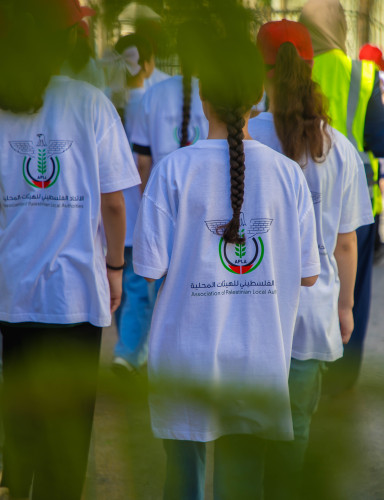
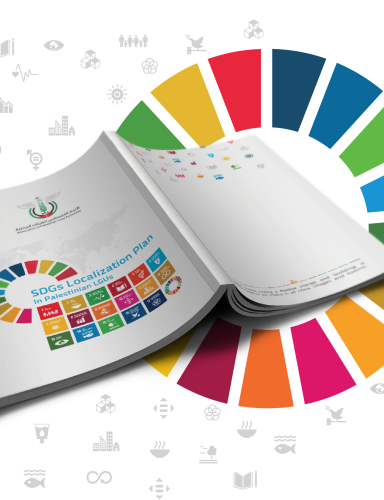
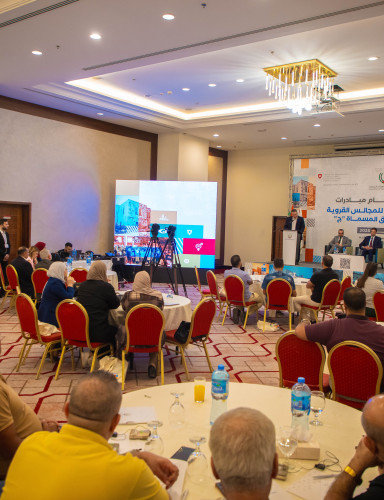


As part of its ongoing efforts to promote the concepts of sustainable development and support the educational environment in Palestinian schools, the Association of Palestinian Local Authorities- APLA, concluded a segment of the “SDG Stories” Program (ESCWA Stories) through the implementation of two field visits to Yatta Girls Secondary School in Yatta and Al-Wehda Co-educational Basic School in Beit Awwa.
The two visits included a series of interactive and educational activities focused on reinforcing the concepts of sustainability, creativity, and national belonging within a stimulating learning environment.
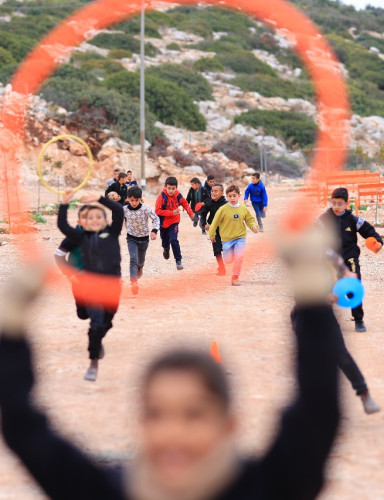
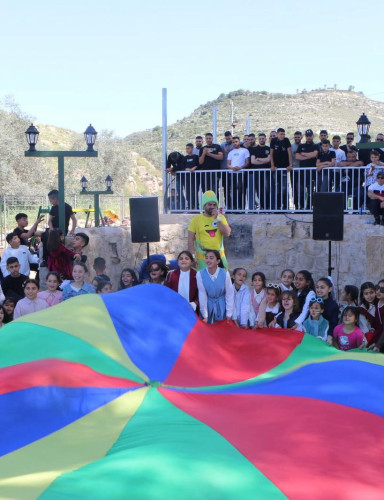
At Al-Wehda Co-educational School, several educational corners were established, most notably the “Student Empowerment Corner”, as well as a Palestinian heritage corner aimed at strengthening national identity. In addition, interactive activities were implemented for basic-level students, including coloring sessions, cultural segments, and sports and theatrical games, with the participation of a team from the Beit Awwa Municipality.
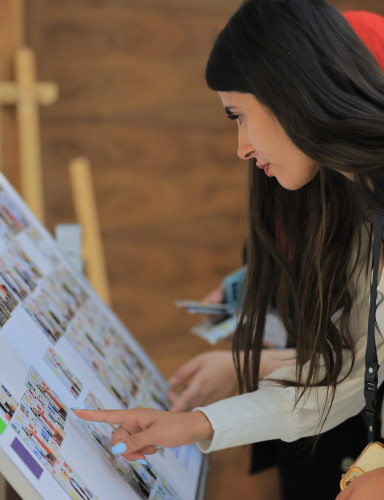
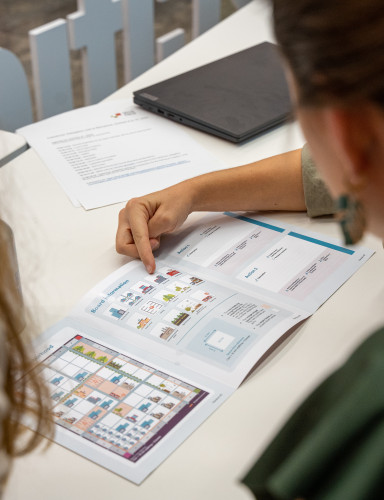
At Yatta Girls Secondary School, an official closing ceremony was held in the presence of representatives from the Directorate of Education and the Yatta Municipality, alongside APLA. Attendees emphasized the importance of education, resilience, and development despite the challenging political context. A video documenting the stages of student projects—from concept to completion—was presented, followed by the opening of an exhibition showcasing students’ projects. These included recycling initiatives, electronic projects, and innovative educational tools based on the local environment through the community participation program. The school garden was also inaugurated as a practical model of sustainability based on recycling and planting.
These visits were carried out as part of APLAs efforts to practically promote SDG concepts among students, support the educational environment through interactive activities, strengthen partnerships between schools and local authorities, enhance students’ creativity and teamwork skills, and reinforce national identity and community values.


