
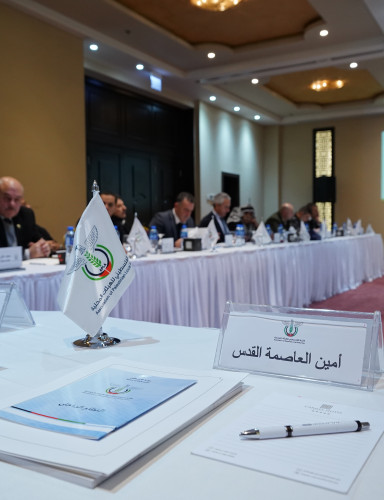
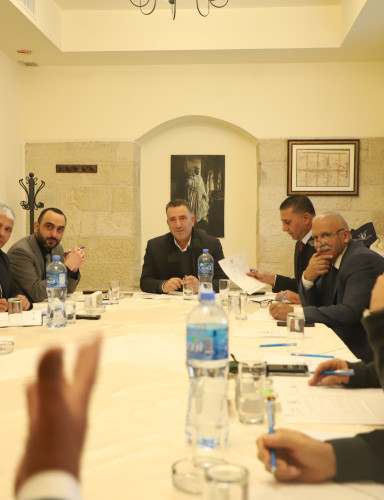



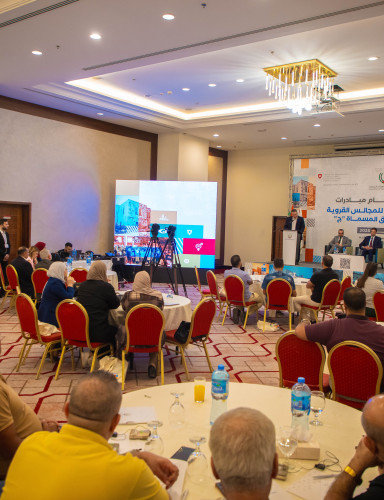


Seven LGUs have received the Community Participation Plan Award under the project “Enhancing Local Governance through Policy Frameworks and Community Participation”, funded by the United Nations Development Programme (UNDP). The award follows a competitive process involving 33 LGUs that submitted 125 community initiatives, formally approved by their municipal and village councils, as part of participation plans developed through a structured training programme implemented by the Association of Palestinian Local Authorities (APLA) with the participation of 46 LGUs.
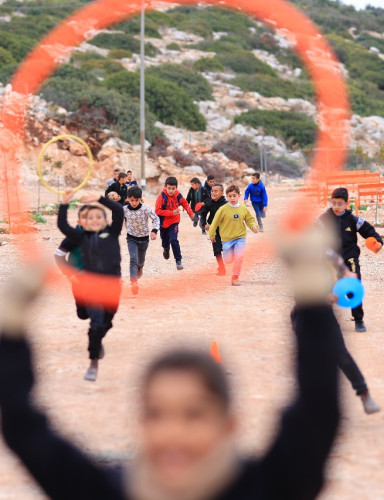
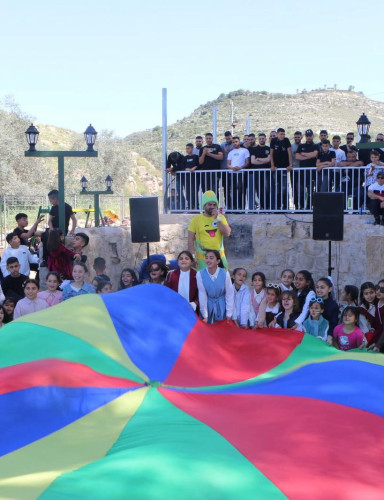
The award takes the form of direct funding for selected initiatives from the winning plans, turning community participation from a planning exercise into concrete, community-led interventions on the ground that directly impact people’s daily lives. The awarded local authorities are Salfit, Surra, Tulkarem, Anabta, Al-Shuyukh, Surif and Kafr Thulth. Their winning initiatives are participatory community projects that address tangible priorities such as improving public and open spaces, enhancing safety on roads and around schools, promoting a cleaner and better organised urban environment, supporting solidarity and local economic initiatives, and advancing education and community culture, while providing more accessible and inclusive facilities for different social groups.
Taken together, these initiatives mark a clear shift in community participation from a one-off “consultation” to a practical tool for improving service quality and the living environment in neighbourhoods and towns, and for building a more stable, trust-based relationship between citizens and their local authorities.
This outcome reflects APLA’s approach to embedding participatory governance as part of the daily institutional work of LGUs, by linking training and capacity-building with real funding opportunities for community initiatives, and by reinforcing the role of local authorities as a central platform for organising dialogue with communities and translating it into implementable projects that can be monitored and evaluated. It also builds on the broader Community Participation Programme, which aims to strengthen the ability of local authorities to design, lead and sustain meaningful participatory processes.