
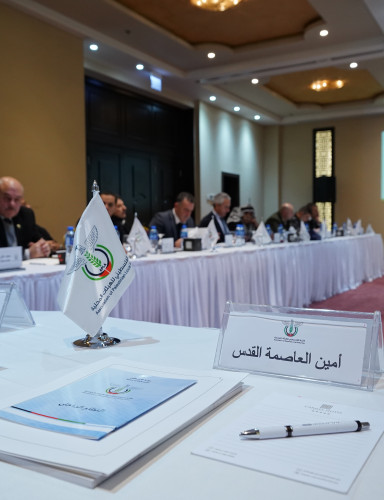
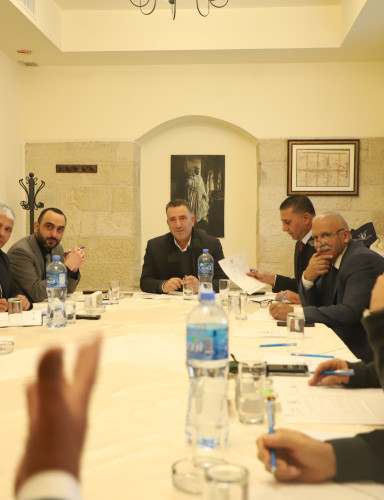


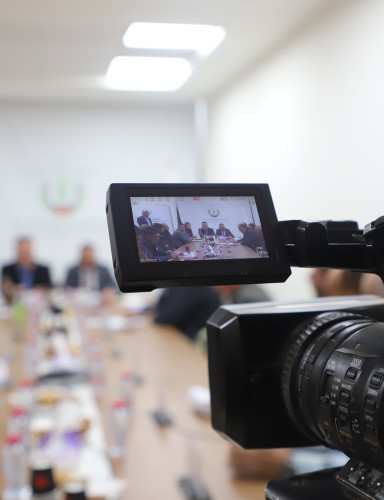
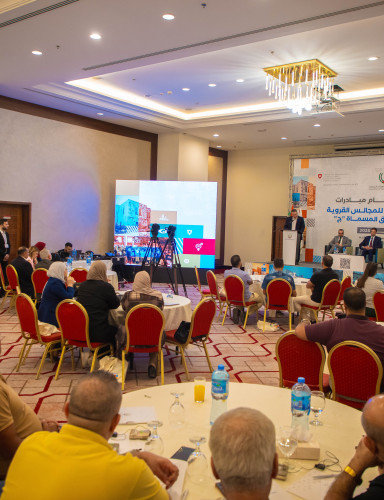
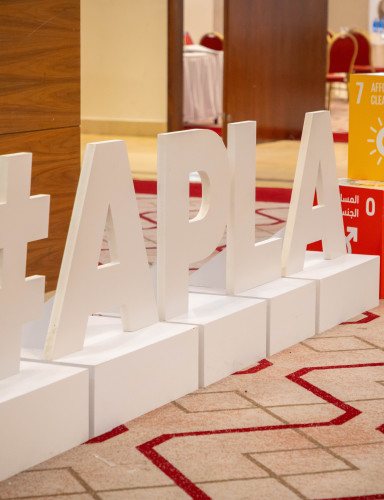


As part of its ongoing activities to strengthen the role of local government units (LGUs) in preserving national heritage, the Association of Palestinian Local Authorities (APLA) held a focused training session on the use of modern technology in protecting cultural heritage. The session was held in the context of APLA’s 2025 Cultural Heritage Training Program, jointly implemented with Sites & Cités remarquables de France (French National Association of Remarkable Sites and Cities) with the participation of staff members of engineering, cultural heritage, and public relations departments in 12 LGUs.
The session highlighted enhancing participants’ knowledge of digital technologies and innovative tools for documentation and inventory, as well as promoting community engagement in safeguarding cultural identity. In his opening remarks, George Joseph, Head of the UNESCO Culture Unit, reviewed leading local and regional experiences in the use of technology, such as virtual museums, digital platforms, and the role of artificial intelligence in documenting heritage sites and raising public awareness.
From the Riwaq Centre for Architectural Conservation, Eng. Yousef Taha gave a practical presentation on methods to document heritage buildings using advanced imaging technologies and producing digital models that help preserve landmarks from deterioration. Florence Guenonneau-Joie, Cultural Project Expert at the French Heritage Innovation Agency (Heri-Tech), presented the experiences of French municipalities in integrating technology into heritage work through interactive tools, digital tours, and virtual reality applications.
This training is part of APLA’s ongoing efforts to enable Palestinian LGUs to benefit from international expertise in heritage protection and strengthen LGU staff capacities in using advanced technological solutions. By developing heritage protection practices and adapting technological tools to the Palestinian context, the initiative contributes to safeguarding national memory and reinforcing younger generations’ connection to their cultural identity.