

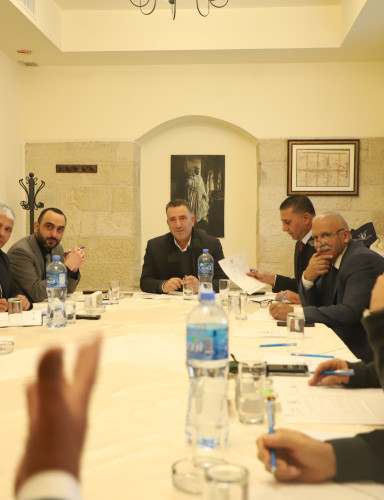

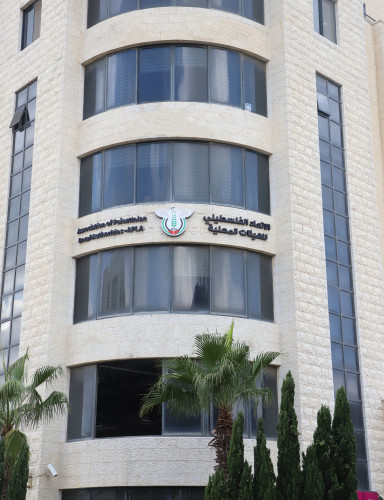


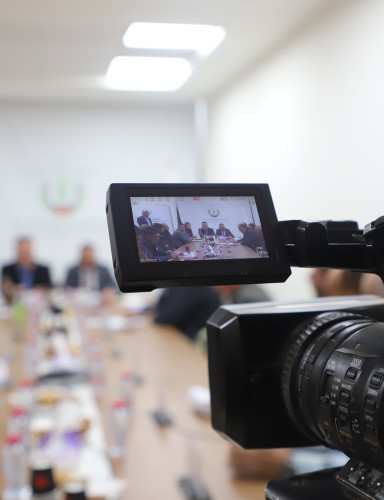

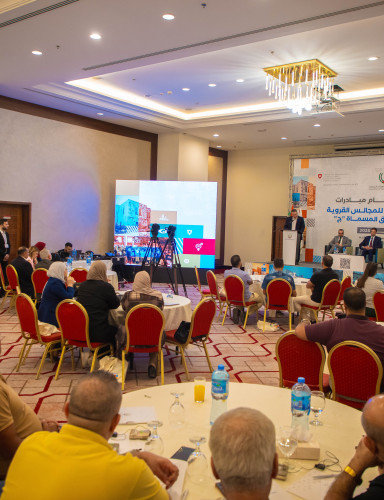


Abdul Karim al-Zubeidi, President of the Association of Palestinian Local Authorities (APLA), met with Dr. Nisreen al-Tamimi, Head of the Palestinian Environment Quality Authority (EQA), to discuss ways to strengthen cooperation on environmental issues of priority to local government units (LGUs). The meeting also explored avenues to develop coordination mechanisms to ensure an effective local response to Palestine’s growing environmental challenges.
In the meeting, both parties stressed the importance of unifying efforts between national institutions and local government units (LGUs) to lay the foundations for environmental governance at the local level and create an enabling environment for integrating environmental dimensions into local planning and development programs. Discussions focused on creating an institutional partnership between APLA and EQA, based on three interconnected pillars, including awareness raising and capacity building, development of local environmental policies, and implementation of environmental development projects at the level of LGUs.
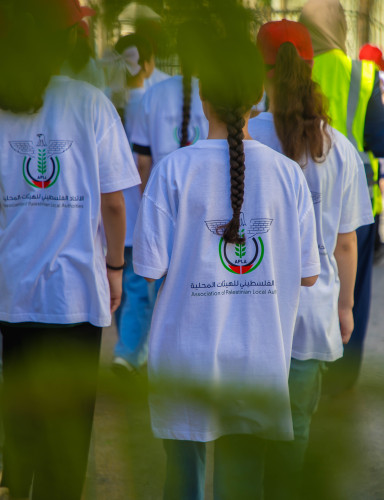
The two parties expressed a shared commitment to launching awareness raising and training programs targeting both LGUs and wider communities. This aims at promoting environmental culture and enhancing LGU capacity to manage natural resources and tackle environmental challenges. The need was stressed to support LGUs in developing environmental policies and plans that align with national priorities while addressing the specificities of each area. Additionally, an agreement was made to formulate joint environmental initiatives and projects that highlight the engagement of youth and women as key actors of social change and ensure the sustainability of environmental efforts across various areas.
This meeting is part of APLA’s broader approach to expanding the national partnership network with a view to promoting the role of LGUs as active contributors to achieving sustainable environmental development. It also reflects APLA’s commitment to supporting LGUs in fulfilling their inclusive development role in line with the principles of good local governance.