








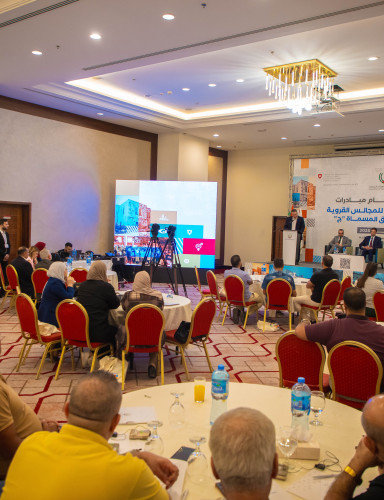


In a strategic step to promote transparency practices and the governance of community engagement in the licensing of major investment projects, the Association of Palestinian Local Authorities (APLA) launched the first community hearing session in Sarra Municipality, Nablus, to discuss the proposed construction of the Shahriyar Palace Hotel. The session was part of a systematic approach to institutionalizing community involvement in shaping development projects and ensuring alignment with the strategic plans of local government units (LGUs) and citizens’ needs. The initiative is part of the Transparency, Evidence, and Accountability (TEA3) project, funded by the United Nations Development Program (UNDP).
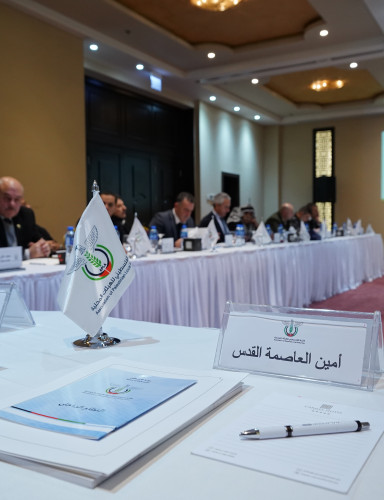
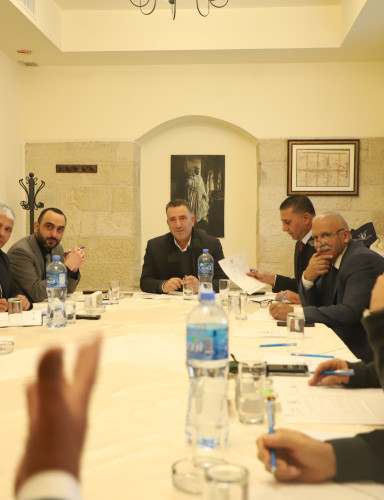
The session brought together representatives from the Sarra Municipality, the project developer, and residents of the town. In addition to a review of detailed plans, several aspects of the project were discussed, including water storage systems, sewage infrastructure, parking spaces, and plans to utilize solar energy. Participants provided comments and recommendations to ensure the project aligns with the community’s needs and aspirations.
The Sarra Municipality Engineer, Abdul Mun’im Abdullah, emphasized that “in partnership with APLA, the municipality is working towards institutionalizing community hearing sessions as an integral part of the cycle of development, licensing, and implementation of major projects. This step ensures that local community needs are an integral component of project implementation standards in line with municipal annual plans and strategic vision to transform the Sarra Municipality into an environment capable of attracting large-scale investments, while at the same time preserving its unique character and residents’ needs.”
Dr. Ahmed Hijawi, APLA Consultant, stated that “community hearings are a key pillar for promoting the principles of transparency, accountability, and responsiveness in public administration. They also allow room for genuine community engagement in setting local development priorities, enhancing the role of LGUs as effective representative bodies.”
This initiative aligns with APLA’s broader vision of empowering LGUs to develop practical and sustainable governance tools by adopting innovative participatory models in planning and implementation. It contributes to raising responsiveness to citizens’ needs and consolidating the principles of transparency and inclusiveness.
