
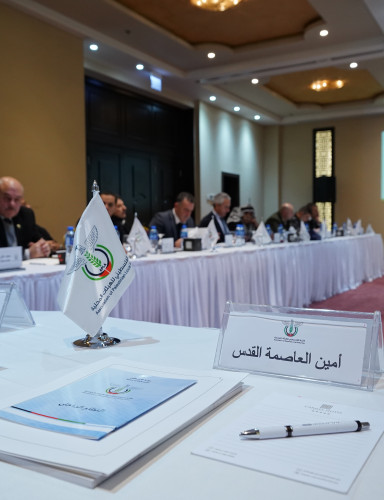

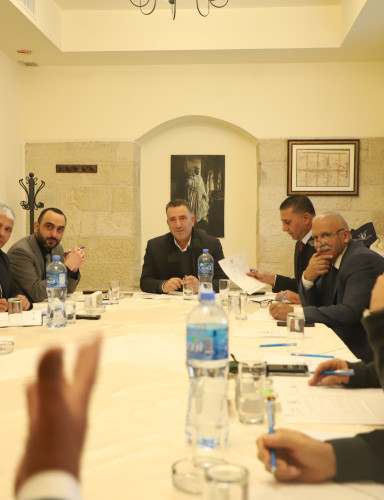



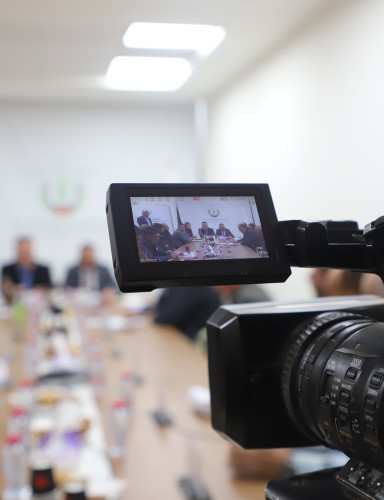

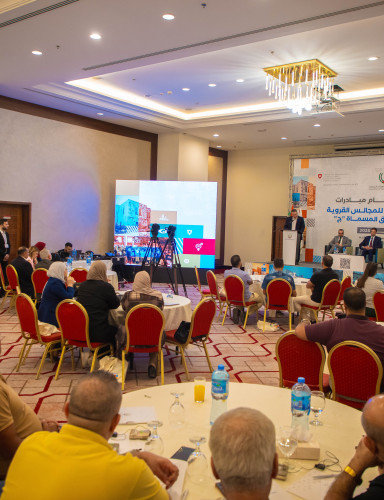


The Association of Palestinian Local Authorities (APLA) completed a series of discussions on the preparation of participatory procurement plans for local government units (LGUs). Reflecting community needs, procurements will be in line with LGU annual strategies and plans. Within this framework, the last workshop was held at Ramallah Municipality. Attended by relevant departments managers and staff, the workshop reviewed key local needs and procurement mechanisms to come up with an integrated plan that reflects reality and meets aspirations. The plan will be discussed with community representatives in a subsequent in a partnership session.
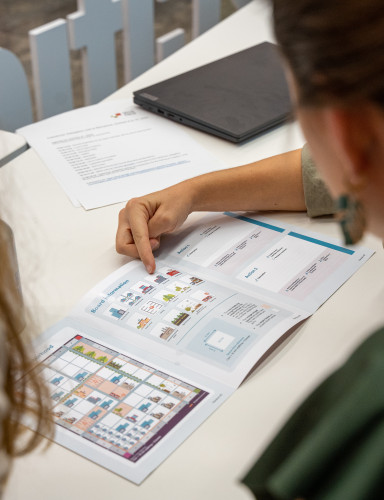
The activity is part of a comprehensive vision and broader initiative led by APLA to create innovative models for procurement management at LGUs. These models are tailored for more efficient and effective project implementation. In addition to clearly defined procedures, roles and budgets, the models engage the community to ensure that plans are consistent with actual needs. In this context, Osama Saleh, the consultant in charge of developing the participatory procurement plan, explained that APLA would institutionalize these practices through a focused manual based on a pilot model, currently implemented at two municipalities. The model will be rolled out as a practical framework to LGUs.
APLA seeks to disseminate participatory procurement practices to LGUs in support of national approaches to promoting transparency and community engagement. To do so, APLA is compiling a focused manual grounded in the pilot model implemented by the UNDP Transparency, Evidence and Accountability (TEA3) Programme.
