










The executive committee of the Association of Palestinian Local Authorities "APLA" reaffirmed its position refusing the Decree Law concerning tourism, demanding the Palestinian government to urgently revisit this bill and halt its endorsement, due to the control and acquisition of local authorities' resources and jurisdiction. This is causing a real crisis among local authorities in particular and the local governance sector in general. The executive committee emphasized that continuing these attempts to confiscate the powers and jurisdiction of local authorities with deepen various crises that local authorities are already suffering from, and will push them off the cliff.
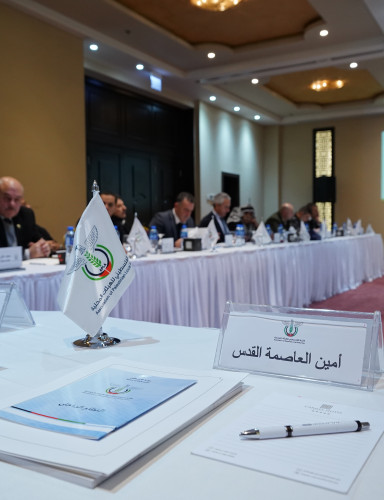
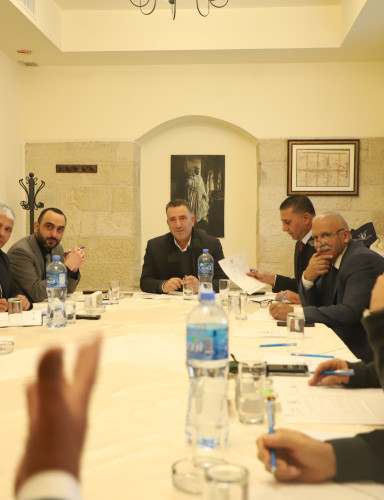
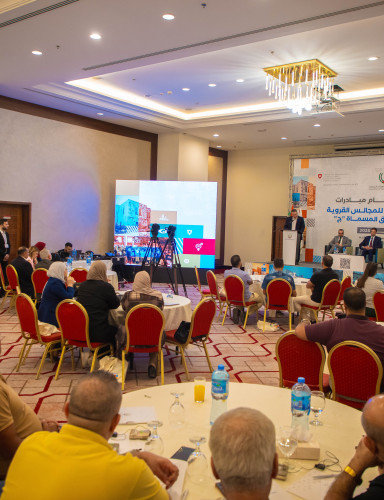
The meeting of APLA's executive committee was held in April 2023 in Ramallah, chaired by APLA's President; Abdelkarim Al-Zubeidi, and was attended by the members of APLA's executive committee, and APLA's Executive Director; Eng. Abdallah Anati. During the meeting, several key issues related to the role of local authorities and the potential repercussions and implications on local authorities, their powers and jurisdiction were discussed.
The executive committee called upon the security forces and the various line institutions to take the legal measures necessary to protect the local authorities, following the repetitive attacks in several localities, targeting a group of local authorities, including the mayors, councilors, and executive staff. The latest of these attacks took place in Al-Zuayyem and Jenin, on the grounds of playing their role as institutions in service of the citizens and protecting their rights, especially under the difficult conditions local authorities suffer from in order to continue providing services and decent life to their citizens.
The executive committee warned of the seriousness of halting the transfer of the financial revenues of the fees on professional license from the Ministry of Finance to the local authorities, which is ongoing since 2020, as well as the Ministry of Finance refraining from announcing the revenues of such fees or sharing any information with that regard with the local authorities. The executive committee clarified that such measures cause serious harm to the financial status of local authorities and thus its sustainability, and further emphasized the importance of transferring these dues to the local authorities immediately without any delays. Moreover, the executive committee affirmed that blocking or confiscating these finances by the Ministry of Finance is in violation of the applicable laws and regulations, as these finances are the right of local authorities.
Furthermore, the executive committee demanded the Palestinian government to enforce its decision concerning delegating the collection of property tax to Palestinian municipalities, reaffirming its rejection of the Ministry of Finance continuing to obstruct implementing that decision, in all its articles. The Ministry of Finance have not opened a joint account for all municipalities in accordance with the decision of the Council of Ministers, and it continues to obstruct finding clear solutions to the issue of accumulated debts in favor of Municipalities or against them, in addition to not adhering to transferring the financial dues of local authorities, which the Ministry is collect on behalf of the Local Authorities.
Additionally, the executive committee discussed the issue of considering the legal value of the payment requests and service bills of local authorities to governmental institutions, clarifying that governmental institutions oblige local authorities to stamp and sign original copies of payment requests and bills by the duty bearers in different governmental institutions. It emphasized that such measure is not based on justifications, and that the bills issued by the local authorities are domanial money and are subject to the Law Concerning the Collection of Domanial Money and its articles on enforcement. The executive committee decided to move forward with cancelling this measure due its impact on hindering and obstructing the interests of local authorities.
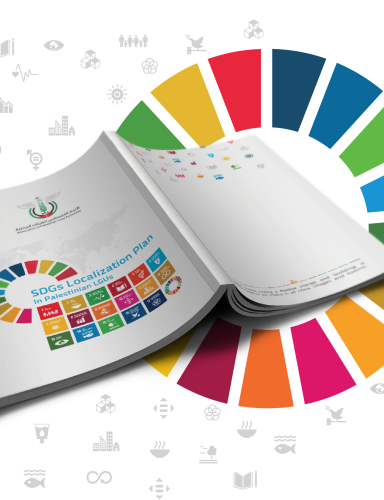
On another hand, the executive committee presented all activities and events, as well as the most prominent studies and policy papers issued by APLA over the last period, it also approved future projects, their activities and budgets, in addition to reviewing the financial sustainability plan of APLA, discussing its articles and approving it. Moreover, the executive committee reviewed the SDGs Localization Plan developed by APLA, and approved it. Furthermore, the executive committee approved the activities and agenda of the Sustainable Development Day, which APLA is planning for upcoming September, during which the aforementioned plan will be launched, as well as a website for SDGs at the level of local authorities in Palestine.


