



Asida.. From the Warmth of Palestinian Homes and the Stories of Their People
From the Palestinian kitchen, traditional dishes carry the imprint of the lives and customs of the communities from which they emerged. Shaped by the character of each place and the experiences of its people, they preserve ways of cooking and sharing food that have been passed down through generations. Asida is one such dish, carrying with it not only a culinary tradition, but also the local knowledge and practices that have endured within Palestinian communities.
These dishes hold traces of how people have lived, adapted to their surroundings, and passed their knowledge from one generation to the next. As families continue to prepare them, these traditions remain part of everyday life, evolving with each generation while retaining their connection to the places and communities that shaped them.
In Palestine, where communities face challenges that affect their land, livelihoods, and cultural identity, preserving these traditions carries significance beyond the recipes themselves. It is part of safeguarding the right to cultural identity and protecting the distinct character of local communities. The continuation of these practices reflects the determination of Palestinians to sustain their cultural life and preserve what connects them to their history and place. What may appear to be an ordinary part of daily life thus carries a deeper meaning: the continued presence of a culture shaped by its people, rooted in its land, and sustained through the practices they carry forward.
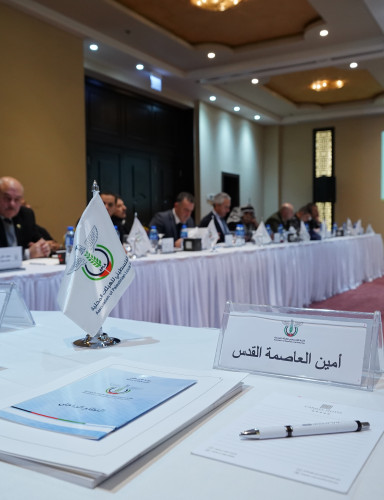
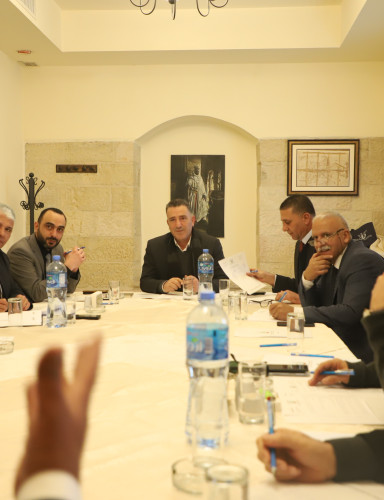
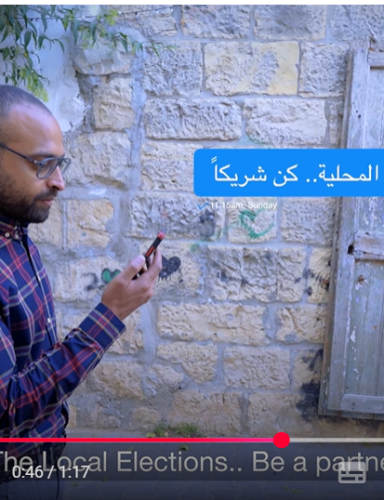
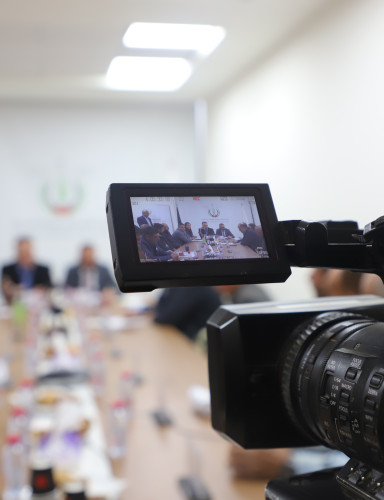
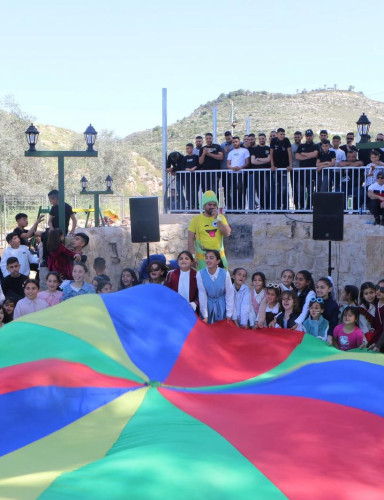
This video was produced in cooperation with Beitunia Municipality as part of the Solidarity Week with Palestine, and the Catalan – Palestinian Municipalities Initiative, D11: Cities of Palestine, implemented by the Association of Palestinian Local Authorities (APLA) in partnership with the Barcelona Provincial Council (DIBA) and Barcelona City Council (BCN).